LEGO Investing 101: Which Sets Actually Go Up in Value
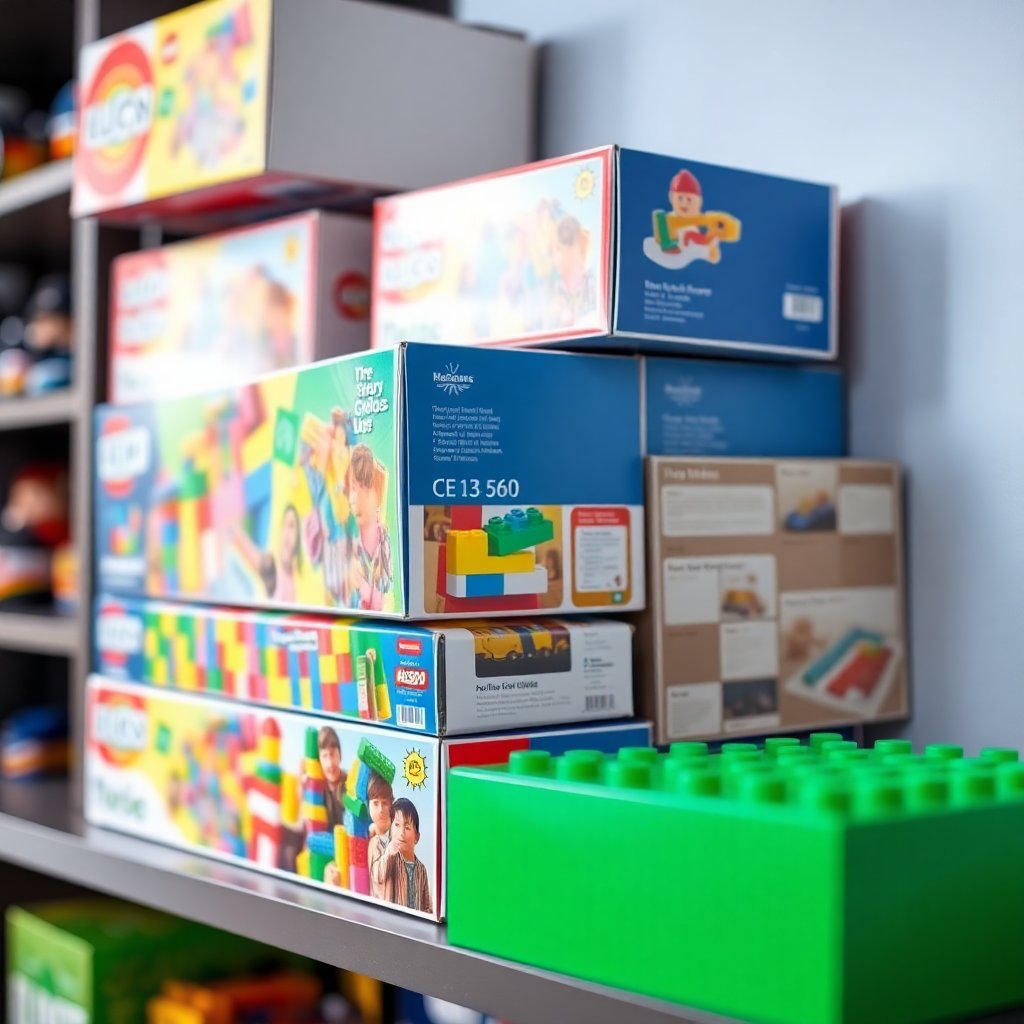
Every few months a headline claims LEGO "outperforms gold." The reality is more nuanced: some sets appreciate impressively after they retire, most track inflation at best, and plenty lose money once you factor in storage and time. If you're going to treat sealed LEGO as an asset, do it with clear eyes.
Here's what actually drives LEGO's secondary-market value — and how to buy without kidding yourself.
What Makes a Set Appreciate
Retirement is the trigger. LEGO sets are produced for a limited window (usually 1–3 years). Once a set is retired and stock dries up, the only supply is what's already out there. Demand that outlives supply is what pushes prices up. A set that's still in production is worth its retail price — full stop.
Licensed and Ideas sets lead. Star Wars (especially UCS), Modular Buildings, and fan-voted Ideas sets have the strongest track records. Licensing means LEGO can't reissue them freely, and the buyers are adults with disposable income and nostalgia.
Exclusivity and theme retirement. When LEGO ends an entire theme or a beloved sub-line, those sets can spike. Big, iconic display pieces with cultural pull do best.
What Doesn't Appreciate
- Generic City, Friends, and licensed kids' playsets. High print runs, kid-driven demand, easy reissues.
- Anything still widely in stock. If Amazon and the LEGO store both have it, you're paying retail with no scarcity.
- Opened or "used-complete" sets. The premium lives almost entirely in sealed, mint boxes. A crushed box tanks the value.
The Honest Math
Say you buy a $200 set, hold it four years past retirement, and sell for $340. That's a ~70% gain — but it's tied up capital, storage space, and the risk of box damage, plus marketplace and shipping fees that eat 10–20%. Real annualized returns on the good picks are solid but not lottery money. The bad picks just sit in a closet.
The people who do well treat it as a hobby that occasionally pays for itself, not a portfolio.
A Sensible Approach
- Buy sets you'd be happy to keep. If it doesn't appreciate, you still own a set you love. This is the single best rule.
- Focus on retiring flagships. Watch our 2026 release calendar and our set reviews for sets entering their final year — those are the windows to buy at retail before the climb.
- Buy two. One to build, one to keep sealed. The build is the fun; the sealed one is the maybe-upside.
- Store them properly. Cool, dry, out of sunlight, boxes not crushed. A crushed corner can halve the premium.
A grail-tier example: the LEGO Star Wars Razor Crest UCS is exactly the kind of big licensed display set that historically holds and gains value after retirement — and even if it didn't, it's a 6,000-piece centerpiece you'd be glad to own.
What to Avoid
Don't chase "investment" listicles that recommend sets already selling at 3× retail — you're buying the top. Don't buy damaged-box "deals" expecting full value. And don't tie up money you'll need; sealed LEGO is illiquid — selling well takes patience and a good listing.
The Bottom Line
LEGO investing works best as a byproduct of collecting things you actually like. Buy retiring licensed and Ideas flagships at retail, store them mint, and be patient. For the sets most likely to matter, keep an eye on our release calendar and reviews — and if you want a set that earns its shelf space whether or not it appreciates, start with our best sets for adults.
The Brick Slayer is an Amazon Associate and earns from qualifying purchases. This article contains affiliate links; if you buy through them we may earn a small commission at no additional cost to you.
Keep leveling up
More From the Workshop
Set reviews, release dates, and the gear builders trust.